 최저가 보장
 전 세계 무료 배송


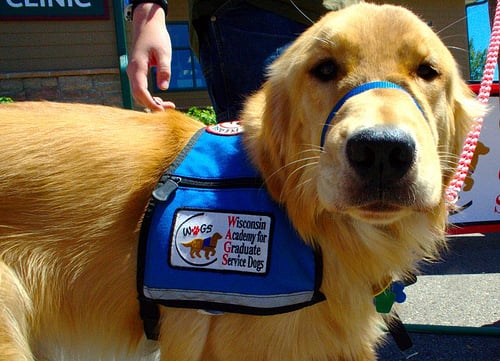
처음 듣는 이야기일 수도 있지만, 조끼를 입은 모든 동물은 법적으로 정서적 지원 동물(ESA)로 분류되며, 주인이 원하는 곳이라면 어디든 법적으로 동행해야 한다고 명시한 법률이 있다고 합니다. 게다가 1990년 미국 장애인법(ADA)에 따라 누구도 이 동반 동물의 주인에게 지나치게 따져 물을 수 없습니다. 예상하셨겠지만, 이 때문에 꽤 큰 악취가 나고 있습니다. 비를 맞고 들어온 젖은 개에게서 나는 냄새만은 아닙니다.
현행 법률에는 두 가지 큰 문제가 있습니다. 첫째는 법 문구가 모호하다는 점입니다. 이러한 모호성 때문에 사업주는 동물에 대해 단 두 가지 질문만 할 수 있습니다. “이 동물은 서비스 동물인가요?” 그리고 “어떤 일을 하도록 훈련받았나요?” 하지만 동물의 주인은 답변과 함께 어떠한 증빙 자료도 제출할 의무가 없습니다. 정말 문제인 점은 무엇일까요? 사업주가 그 “서비스” 동물을 의심 없이 받아들이지 않으면 법적 조치를 당할 위험이 있다는 것입니다. ESA의 진짜 문제는 정서적 지원을 제공하기 위해 특별한 훈련이 전혀 필요 없다는 점입니다. 가게에서 막 데려온 새끼 고양이여도 될 수 있습니다. 소송을 피하고 싶은 사업주라면 그저 주인의 말을 믿을 수밖에 없습니다.
두 번째 문제는 이 법이 (예상대로) 엄청난 규모로 악용되고 있다는 것입니다. 사람들은 뱀, 거미, 미니어처 말, 개, 고양이 등 온갖 동물을 공공장소에 데려가며, 이 동물들이 자신에게 특정되지 않은 정신 질환에 대한 정서적 지원을 제공한다고 주장할 수 있습니다. 버거킹에 보아뱀을 데려가는 황당함을 생각하면, 어떤 경우에는 실제로 그 말이 맞을지도 모릅니다. 하지만 증명 책임도 없고, 사실상 이를 관리하는 기관도 전혀 없기 때문에 광범위한 악용의 길이 열려 있습니다.
안타깝게도 이런 사례들의 규제 부재와 노골적인 어리석음 때문에, 정당하게 서비스 동물이 필요한 사람들의 삶은 더 어려워지고 있습니다. 예를 들어 심각한 광장공포증이 있는 사람은 집을 나설 때 엄청난 스트레스와 공황 발작을 겪습니다. 연구에 따르면 정서적 지원 동물, 특히 잘 훈련된 개는 많은 경우 주인에게 안정감을 주어 정신 질환이 있음에도 일상생활을 정상적으로 할 수 있도록 돕습니다.
그러니까 몇몇 문제 있는 사람들이 정당한 질환을 가진 이들에게 좋은 제도를 망치고 있는 셈입니다. 동물을 데리고 있으면 음식을 제공하거나 판매하는 구역에 들어가지 못할 수도 있지만, 여기에는 아주 타당한 이유가 있습니다. 우리가 먹는 음식은 몇 가지 매우 명백한 이유로 털복숭이 친구들과 분리되어야 한다는 것이 공중 보건 및 안전 기준의 요구인 듯합니다:
- 동물은 특히 훈련받지 않은 경우, 언제 어디서 용변을 봐야 하는지 크게 신경 쓰지 않습니다
- 동물은 자신의 배설물이나 소변을 가리지 않고 밟을 수 있습니다
- 동물은 기생충, 벌레 및 온갖 징그러운 것들을 옮길 수 있습니다.
- 많은 동물에게서는 냄새가 나며, 그 옆에서 치킨 파르메산을 먹는 것은 즐겁지 않습니다.
- 이런 것들 대부분은 상식이라고 생각하겠지만, 못된 사람은 못된 사람일 뿐입니다. 그 결과 사람들은 동물에게 정서적 지원을 구해야 할 필요가 더 커지고, 어리석은 행동과 불필요한 문제가 끝없이 반복되는 악순환이 이어집니다.
댓글(3)
Actually ESA animals only have access rights on transportation and in housing situations. ESA's DO NOT have public access rights, only SERVICE DOGS have public access, and service Miniature horses have access rights. No other type of animal has public access rights. The problem is all the FAKERS using the law and knowing that businesses are afraid to question someone with the vest or ID for fear of a law suit. However, they would WIN the lawsuit if it is only an ESA animal as the ADA law does specify the difference between an ESA an a service animal. Being disabled myself, it is very frustrating to see all these fakers taking advantage of this. It is easy to spot a REAL service dog, for example, they are well behaved and are not fed from tables at restaurants. Most service animals become 'invisible' and you don't even realize they are there.
I quite agree that some people do abuse this law. It needs to have major revision done. Namely pet owners should have to prove that their companion animal is a service animal and has been so trained. Yes, there will be those who try to fake documentation, but if service animals are registered with a phone number that can be immediately called to verify owner proofs/documentation, this could prevent false proof. Store owners/managers, restaurant managers, etc. would be sent stickers to put by registers, etc. with a nationwide phone number and maybe even a web site to verify a customer's claim that his or her pet is a trained, service animal. Owner documents would include a registration number and identity code or name to give automated answering service or web site.
The Americans with Disabilities Act (ADA) is a federal law that prohibits discrimination against individuals with disabilities in several areas, including employment, transportation, and places of public accommodation, such as restaurants and stores. The law applies to both physical and mental disabilities.
Emotional support animals (ESAs) can be considered a "reasonable accommodation" under the ADA for individuals with a disability who have a disability-related need for an ESA. This means that if an individual has a disability and their emotional support animal is necessary for them to have an equal opportunity to use and enjoy their housing, or for them to perform their job, a landlord or employer must make an exception to a "no pets" policy to allow the individual to have their emotional support animal with them. However, it is important to note that not all animals qualify as emotional support animals, the individual should have some kind of diagnosis from a mental health professional.
댓글 남기기